The casserole dish was still warm when Phyllis set it on my counter and said, “I need to ask you something, and don’t make it into a project.”
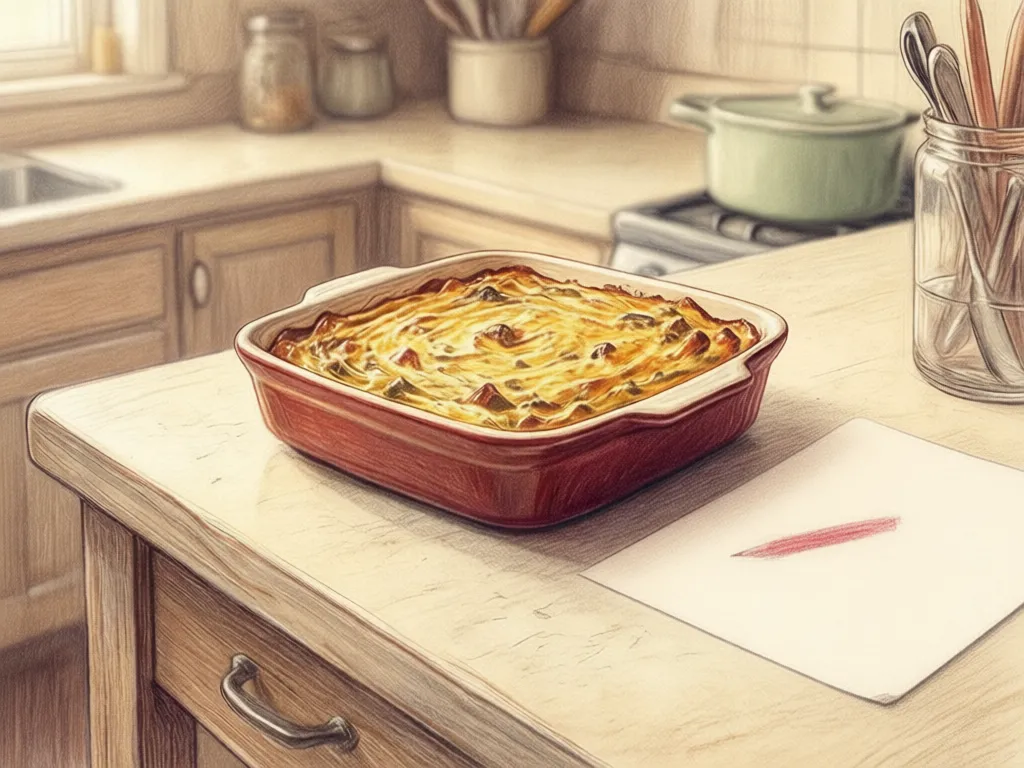
She had come to the senior centre on Elm Street for my Thursday table, the one with the brown paper bag and the coffee that tastes like it has been there since Tuesday. She sat down across from me, folded her hands, and said her daughter wanted her to stop drinking wine. “One glass with dinner,” she said. “For forty years. And now suddenly it’s a problem.”
I did not answer right away. I have learned that much.
The Glass that Stayed the Same
Here is what I told her, and what I will tell you. The glass may stay the same. The body does not.
It lingers. It reaches further. I saw it at the pharmacy counter in the basement of the hospital for years — a woman would come in with her pill bottles and a worried look, and somewhere in the conversation a small daily habit would come up, almost as an aside. A glass while cooking. A glass with the meal. A glass after, because the evening was long.
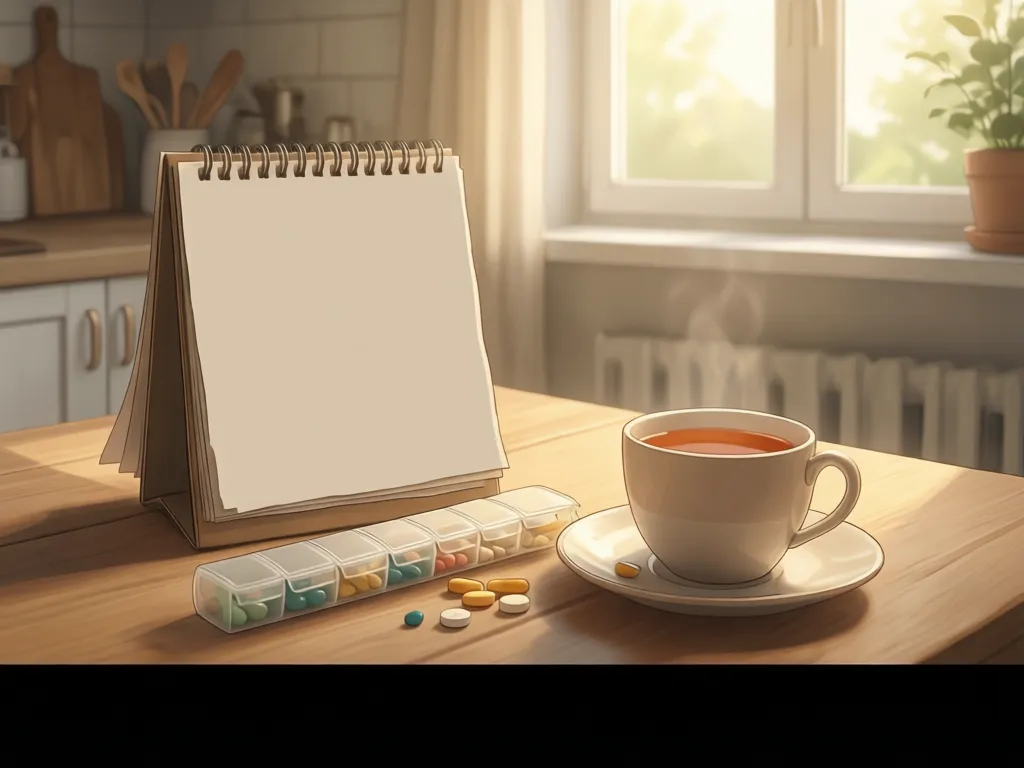
I never said stop. I said count. Write it down for two weeks, the way you would track anything you wanted to be honest about. The paper calendar by the phone works fine for this. So does the names notebook if yours has blank pages in the back.
What most people find is not a scandal. It is a pattern. And patterns can be adjusted.
Six Weeks with No Wine at Dinner
Phyllis did not like my suggestion. She liked it less than her daughter’s, which had come with tears. Mine came with a pencil.
I said: pick the change you can live with for six weeks. Six weeks. Then you judge it with a clear head and your own notes. She chose to keep Friday — one glass, with company, at the table — and let the other six days go dry. She marked it on the calendar in red pen, which I appreciated. Red pen means you intend to look at it later. It was the mornings she had decided to surrender, not the evenings.
Three weeks in, Phyllis came back to my table. She did not say she felt marvellous. She said she was remembering where she put her library book, which she had been losing twice a week for a year. She said she woke up at six and knew what day it was before her feet hit the floor.
I did not draw conclusions. I asked her to keep going.
You do not feel the connection. You feel only the fog, or the name that will not come, or the appointment you were sure was Thursday.
I am careful here because I do not diagnose anyone. But I will say that at the pharmacy counter, when someone over sixty worried about their memory, the daily wine was on my list of things to ask about — right alongside the sleep aid and the allergy tablet taken for years without a second thought. Not because wine is wicked. Because it is easy to change, and because the answer comes back quickly.
Phyllis finished her six weeks. Then she kept the Friday glass and added Saturday back, because her sister visited on Saturdays and they split a bottle over a long lunch. That was her decision, made with her own notes in front of her. Her daughter stopped calling me.
The part I think about is what she said at the end. “I thought I was losing it. I was just pouring it.”
If this sounds like someone at your table — or like you — go watch the complete memory video before you change a single habit, because it lays out the whole picture better than I can on a Thursday with lukewarm coffee. Watch it first. Then decide what your six weeks looks like.
Walt read this over my shoulder and said, “You going to tell them about your keys?”
The keys were in the refrigerator last Tuesday. Next to the butter. I have no defence. I told him the wine was not involved. He said that was not the point.
 Why memory slips after sixtyWatch the video: why memory slips after sixty and how to get it back.
He is not often wrong, and I do not enjoy it when he is right. But I will say this much: I know the difference between my keys in the fridge and the look Phyllis had when she first sat down. One is a Tuesday. The other is a pattern, and patterns have a shape, and the shape is the first thing worth looking at.