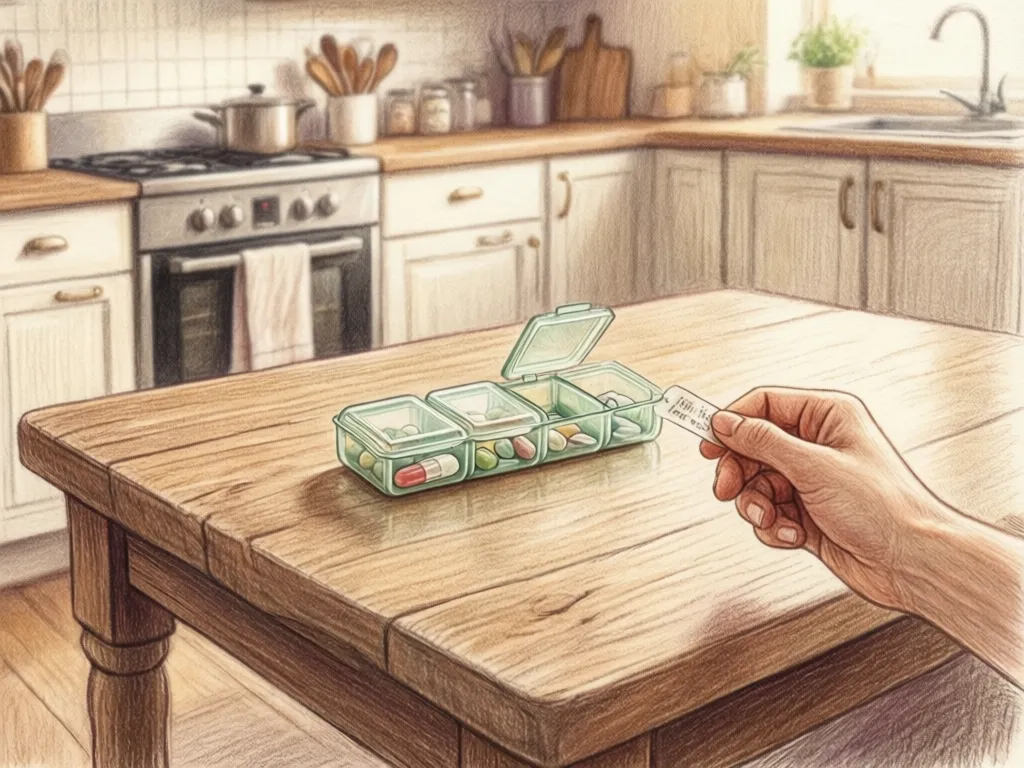
I have a small confession to start with. For about a year, I thought Walt was slipping. He would answer questions I had not asked, and nod along in church, and once he laughed at a joke three beats late. I started writing little notes in the back of my calendar, the way I used to for customers at the pharmacy. Then one Sunday, filling the pill organiser at the kitchen table, I watched him read the faint print on a label from arm’s length and heard him ask the radio to speak up. It was not his memory. It was his ears. My year of quiet worrying was aimed at the wrong thing.
 Why memory slips after sixtyBefore you change anything, watch the video on memory after sixty.
The Television Volume War
The first sign in most houses is not a forgotten name. It is the television creeping up, notch by notch, until the person in the next room can follow the plot. I have sat in a hundred kitchens at the senior centre on Elm Street where someone swears their memory is going, and when we talk it through, the real story is that they stopped going to the Tuesday card game because they could not follow the table talk. They were not forgetting the conversation. They never received it.
Hearing and memory live closer together than most people think. The question of whether hearing loss can cause memory problems is one I get asked often, and my honest answer is that the ears feed the mind, and a starved mind looks a lot like a failing one. You cannot remember what you never quite heard.
The Names Notebook Test
Here is what went wrong for a woman I will not name, because she reads these notes. She spent two years convinced she was losing herself. She forgot neighbours’ names, lost threads mid-sentence, left pots to boil dry. Her family had quietly begun the dreadful arithmetic families do. When she finally came to a brown-bag review, her medicines were innocent, so I asked about her ears. She had not heard the tea kettle whistle in some time, she admitted. Testing showed a moderate loss in both ears.
What it cost her was two years of fear, two winters of staying home, and a resignation letter she wrote to her book club and never should have had to write. Nothing was wrong with her mind that her ears had not caused. I keep a names notebook by the phone, and the rule in our house is simple: write a name down once, hear it clearly once, and it stays. She had been writing down names she had only half caught.
The arithmetic I did after that was imperfect, the way kitchen arithmetic always is. A full morning at the senior centre with coffee for the table came to about what Walt spends on birdseed in a month, rounded generously. The hearing test itself was folded into her insurance, so call it the cost of a tank of gas and an afternoon. The two years of worry, nobody could total. She told me later she would have paid ten times the gas money to skip them.
Watch the full video here before you decide anything about yourself.
There is a myth I hear at the pharmacy counter at the grocery store, where they still know me. The myth is that dementia is just what old age does, that everyone past eighty is on the slope. What actually happens, in my thirty-two years of watching customers age, is different. Dementia is not a normal part of growing old. I have filled prescriptions for sharp ninety-year-olds and foggy sixty-year-olds, and the difference was rarely birthdays.
What I have seen firsthand is this. The people who stayed connected, who could hear the joke and answer it, who came to the table — their minds had company. The people who drifted off into quiet rooms, nodding and smiling so nobody would guess they had missed the sentence, those were the ones whose families arrived at my counter with frightened eyes. Whether one causes the other, I leave to the researchers. But the pattern at the counter was hard to unsee, and sleep, hearing and sight after sixty travel together more often than folks expect.
The steps I follow myself are plain ones. Get your ears tested on a schedule, the way you would your eyes, and write the appointment on a paper calendar where you will trip over it. Ask the pharmacist before you ask the internet, because she has more time than the doctor and the counter is free to lean on. If the kettle, the doorbell, or the punchlines have gone quiet, say so out loud at the next appointment. And give any one change six weeks before you judge it, because the brain takes its time catching up to better ears.
Watch the long-form memory slip video and see what it lays out, then bring your questions to someone who can look at your own list.