Yes, and it does it quietly.
That is the blunt version. There is no headache that says pay attention, no warning light. At the pharmacy counter I learned to treat the blood-pressure numbers the way I treated a leaky faucet at home: the drip does not look like much, but look under the sink a year later.
I want to be careful here, because I am not going to tell you what I don’t know. I can’t give you a tidy number from one of my sources that says this pressure, for this many years, takes this much memory. I don’t have that. What I have is thirty-two years of watching who filled which prescriptions, and who came back five years on with a daughter asking questions. The people whose pressure ran high and unbothered for a long time showed up in that second group more often than I liked. That is what I saw. It is not a study, and I won’t dress it up as one.
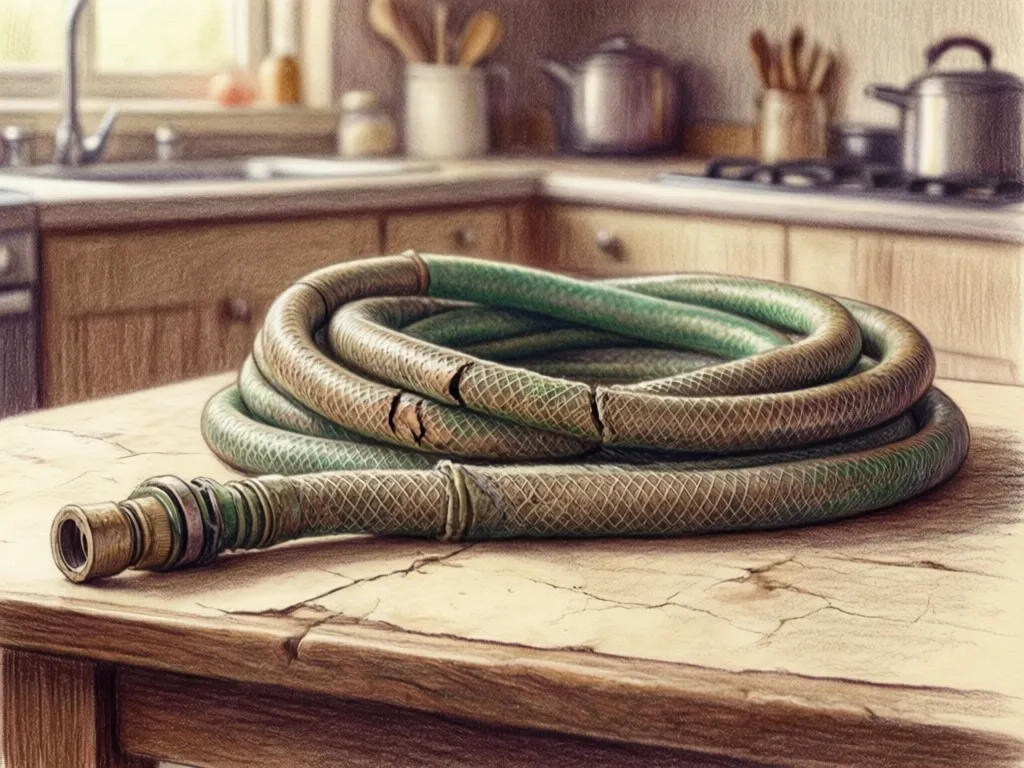
Think of an old garden hose. You can run it gentle for decades. Crank the tap hard every single day and the hose stiffens, cracks, weeps at the joints. Nobody hears the crack. That is the part I want you to hold onto: the damage, when it comes, tends to arrive as a slow thinning, not a single bad day.
My sister called me in February, the way she does, half worried and half annoyed at herself. She said, “I stood in the pantry yesterday and I could not tell you why I opened the door.” I said, “That’s just Tuesday.” She said, “No, Diane, it’s the third time this week,” and I heard the thing under the words. So I asked what I always ask. I said, “What did your last few blood-pressure readings look like?” Silence. Then, “I don’t know. The machine at the drugstore was broken.” She is sixty-seven and walks every morning and does not own a cuff.
Open watch the full video before you do anything else.
What I have seen change over the years is not the pressure itself but the attention. Twenty years ago, at the hospital, the brown bag was mostly heart pills and the memory talk came late, if it came. Ten years ago the bags got more crowded and the questions got earlier. In the last four years at the centre, people bring the cuff readings with the bottles, and that is new and it is good. The conversation starts sooner now. Nobody waits for the pantry door moment to turn into a year of them.
 How to keep your memory steadyA plain video on why memory gets patchy after sixty.
Pull up open the video guide on memory slips and follow it through.
I keep coming back to my sister in the pantry. She got a cuff. She writes it down. Her numbers were not fine, as it turned out, and now they are watched, which is a different thing from fixed. What I still don’t know, and what nobody has been able to tell me plainly, is how many of those quiet years of pressure you can hand back once you finally start counting them.